 ENG
ENG  ITA
ITA
News
Viper Kart lands on facebook and instagram
The product line from OTK Kart Group dedicated to the rental kart world expands its online presence with the launch o...
Contact our sales department

When discussing go-karting, it’s easy—especially for those with less experience—to assume that all karts are essentially the same, with only minor differences between them. In reality, the karting world is far more diverse, with a wide variety of vehicles. For example, some karts don’t even have engines! These are known as “speedowns,” and they lack what most would consider an essential component for a kart: the engine.
That said, the two most well-known types of karts, even to newcomers, are rental karts and racing karts. OTK Kart Group, in addition to producing its own rental line called Viper Kart, is a global leader in manufacturing and marketing racing karts under brands like Tony Kart, LN Racing Kart, CS55 Racing Kart, Kosmic Kart, Exprit Kart, EOS Kart, Gillard Kart, and Redspeed Kart.
But how exactly do rental and racing karts differ? What are their key features? In this article, we’ll highlight the 3 major differences that every karting enthusiast should know.
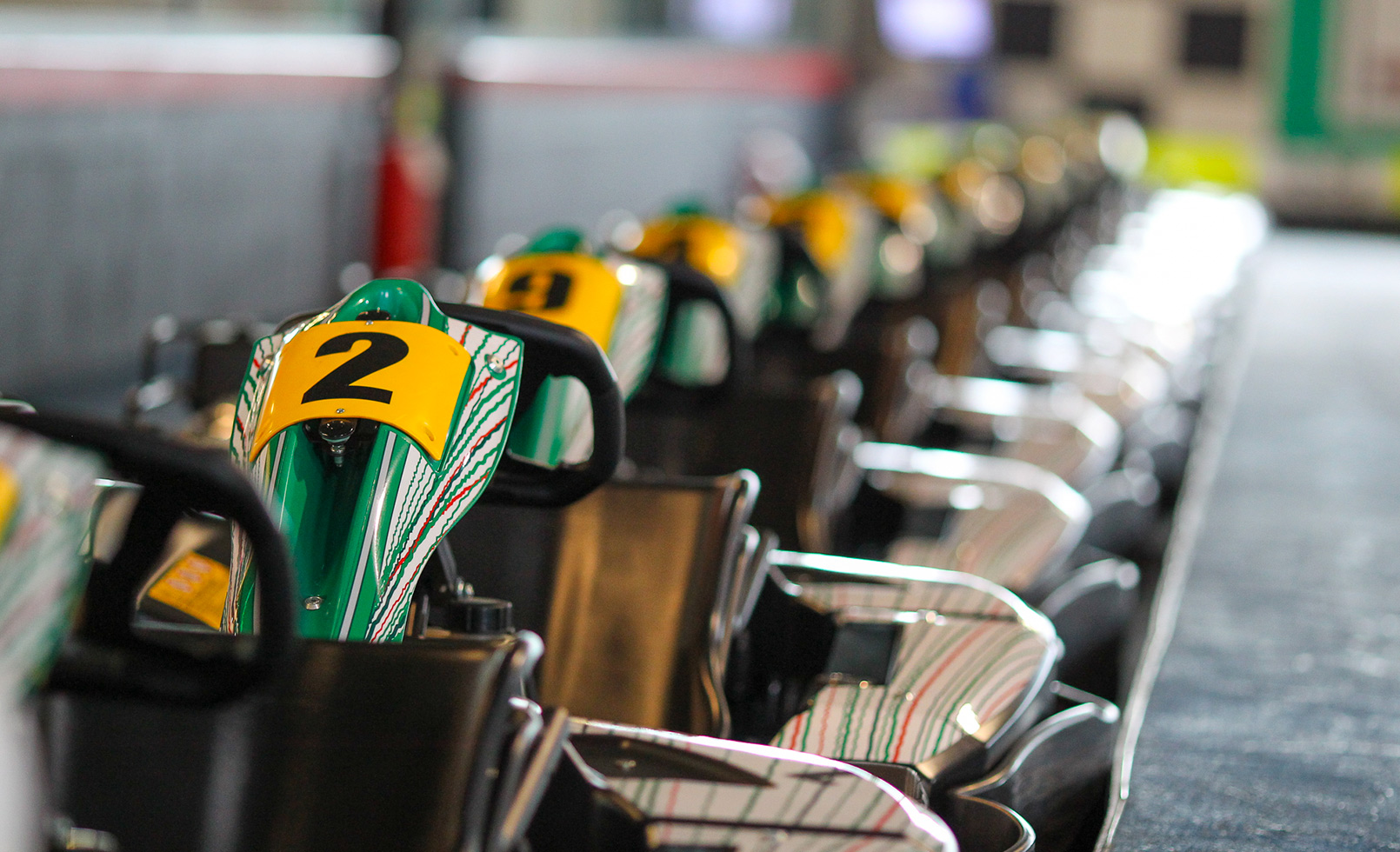
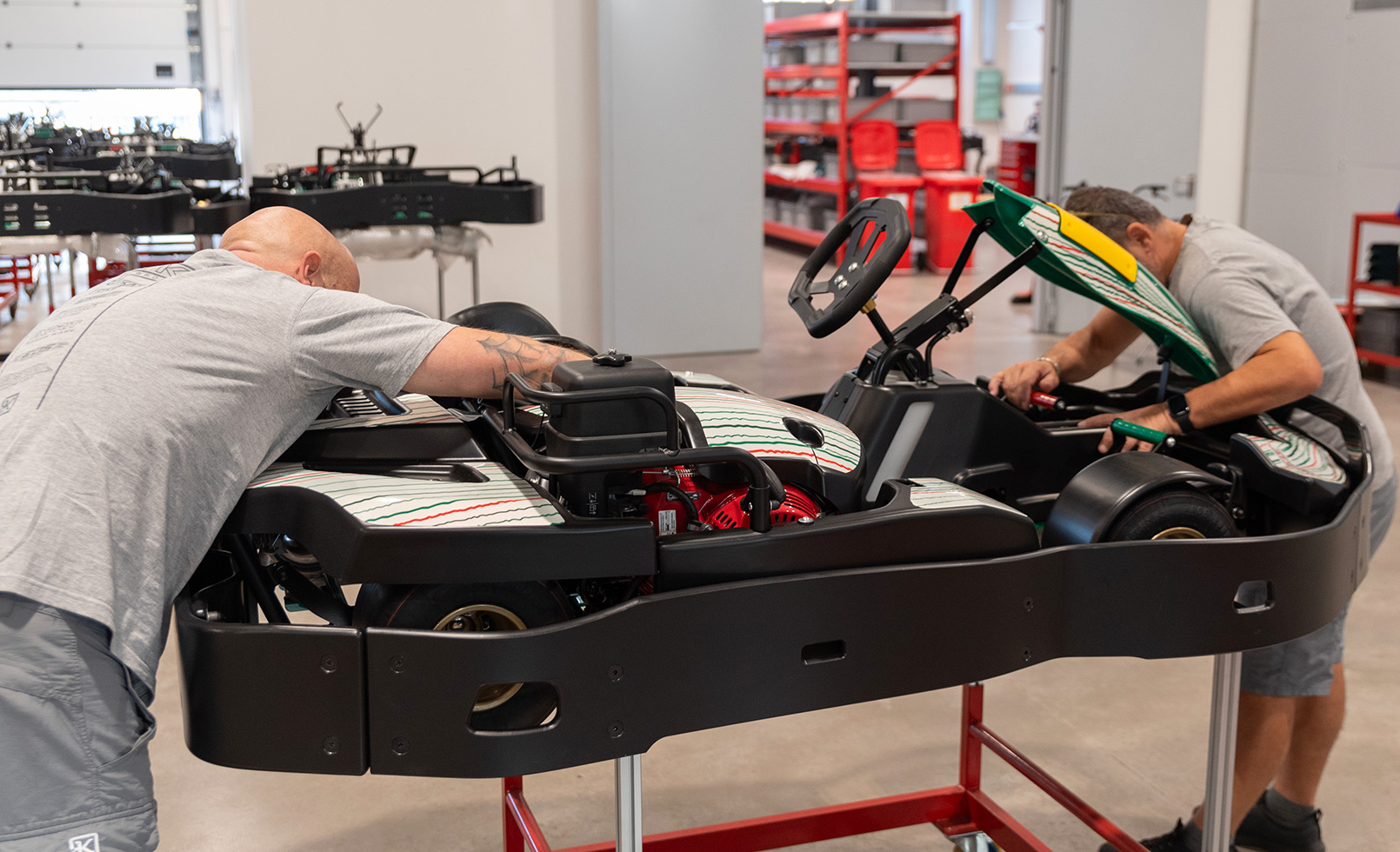
The first and most obvious difference between racing and rental karts lies in their intended use. Rental karts, such as the Viper karts (learn more about their construction here), are designed to meet the needs of both safety and durability, as well as performance. These karts cater to two groups: track owners (indoor or outdoor) who purchase them in fleets, and end users who participate in “arrive & drive” sessions, where they rent a kart for a set time, typically 20 minutes per session but potentially for hours. Given that rental karts are often bought in large quantities, choosing them carefully is crucial to protect your investment (see how to choose a rental kart here). The quality of the manufacturing directly impacts the reliability of the karts and the level of safety they provide.
On the other hand, racing karts are intended for a different, typically more experienced and technically-minded audience. These users usually own their karts, transporting and maintaining them for optimal performance. Racing karts are used in free practice sessions (with a purchased track access pass) or in competitions ranging from local to international levels.
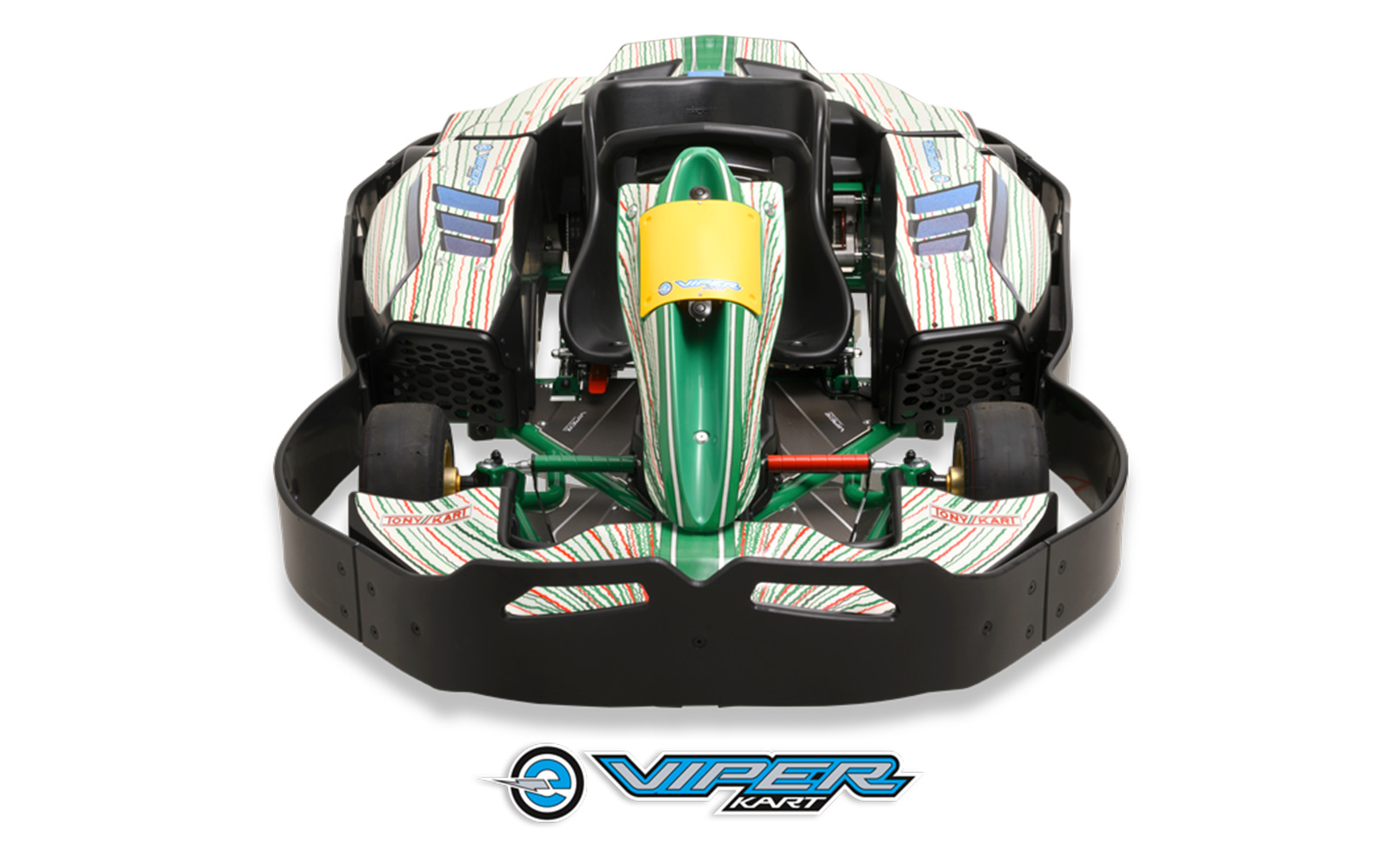
One of the primary differences between rental karts and racing karts is their safety systems. In rental karts, the safety devices are designed differently than those in racing karts. Protective structures are crucial in determining product quality (discover the safety solutions used by OTK Kart Group for the Viper Kart line here) and are essential for cushioning the frequent and often significant collisions that can occur between karts or between karts and the protective barriers lining the track. To address this, rental karts are equipped with robust perimeter protections and shock-absorption systems that prioritize maximum safety and durability, even if it compromises pure performance.
In contrast, racing karts feature safety systems tailored to their specific use. While racing karts are equipped with fairings on all sides, these components are not interconnected, as racing karts are generally less prone to collisions. However, if contact does occur—whether between two karts or between a kart and the track's protective barriers—these fairings are designed to absorb impacts and ensure the driver's safety. Each racing kart is protected by four separate fairings: a front spoiler, two side fairings, and a rear bumper. All of these elements must be homologated according to the regulations set by FIA Karting, the leading international regulatory body, and they must pass stringent crash tests.
In general, while rental karts and racing karts have distinct safety systems, they share many manufacturing components, including the engine, frame, wheels, axle, hubs, and more. The differences mainly lie in the design philosophy, structural characteristics of these components, and the materials used.
For example, racing karts typically utilise 2-stroke internal combustion engines, which deliver high performance but require frequent maintenance proportional to their output. OTK Kart Group produces two types of 2-stroke competition engines through its Vortex Engine Division (explore the complete Vortex catalogue here): one type is designed for FIA Karting-promoted events, offering some of the highest performance in the international karting scene, while the other type includes ROK engines, necessary for participation in one-make championships organised by OTK Kart Group, such as the ROK Cup series (learn more about the ROK Cup and how it works by visiting the ROK website).
In contrast, most rental karts are equipped with 4-stroke engines (discover the engines available for the Viper Kart here). These engines provide more moderate performance and require minimal maintenance, especially when subjected to regular technical checks. This reliability contributes to their longevity and low operating costs.
In addition to traditional combustion engines, there is also an eco-friendly option: the all-electric powertrain found in the Viper E-Kart, which features the BLDC engine developed by OTK Kart Group.
The product line from OTK Kart Group dedicated to the rental kart world expands its online presence with the launch o...
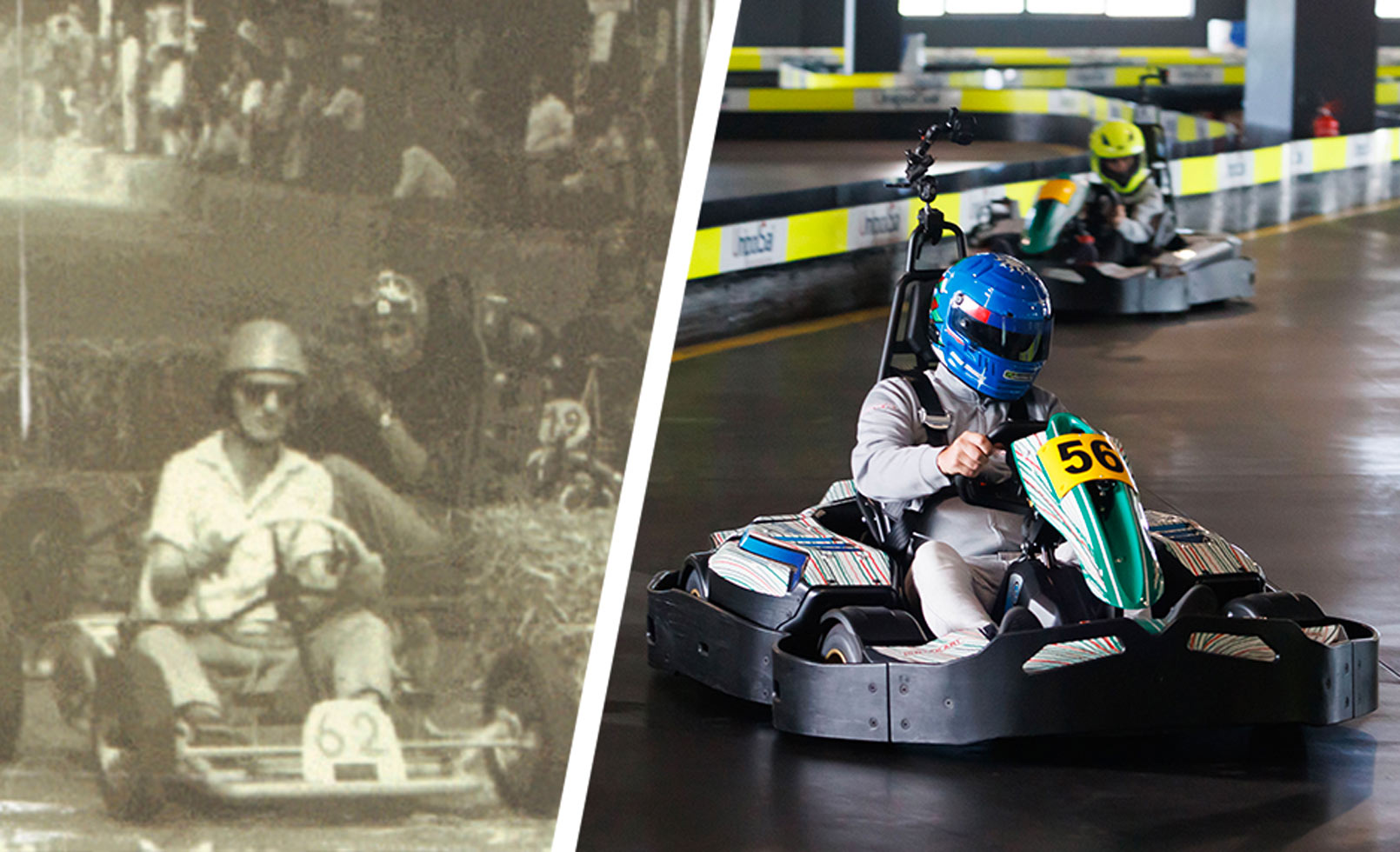
Journey through the history of karting (and OTK Kart Group): who invented go-karting? Why is it called go-kar...
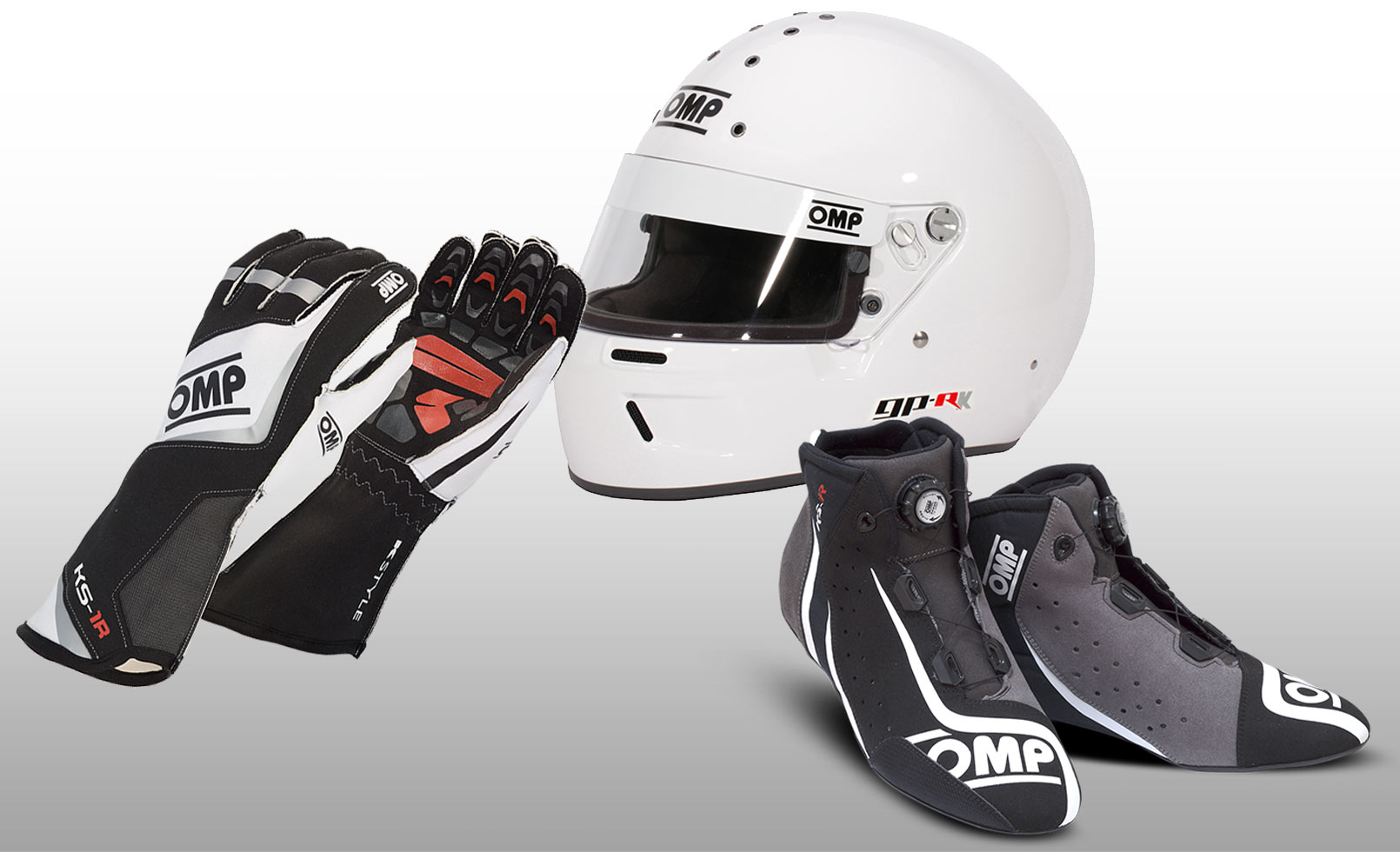
Is there any difference in clothing between indoor and outdoor karting? Is it necessary to wear a helmet to go kartin...

If you are thinking of opening a go-kart rental business, no doubt one of the first questions you ask yourself is: is...

When discussing go-karting, it’s easy—especially for those with less experience—to assume that all ...
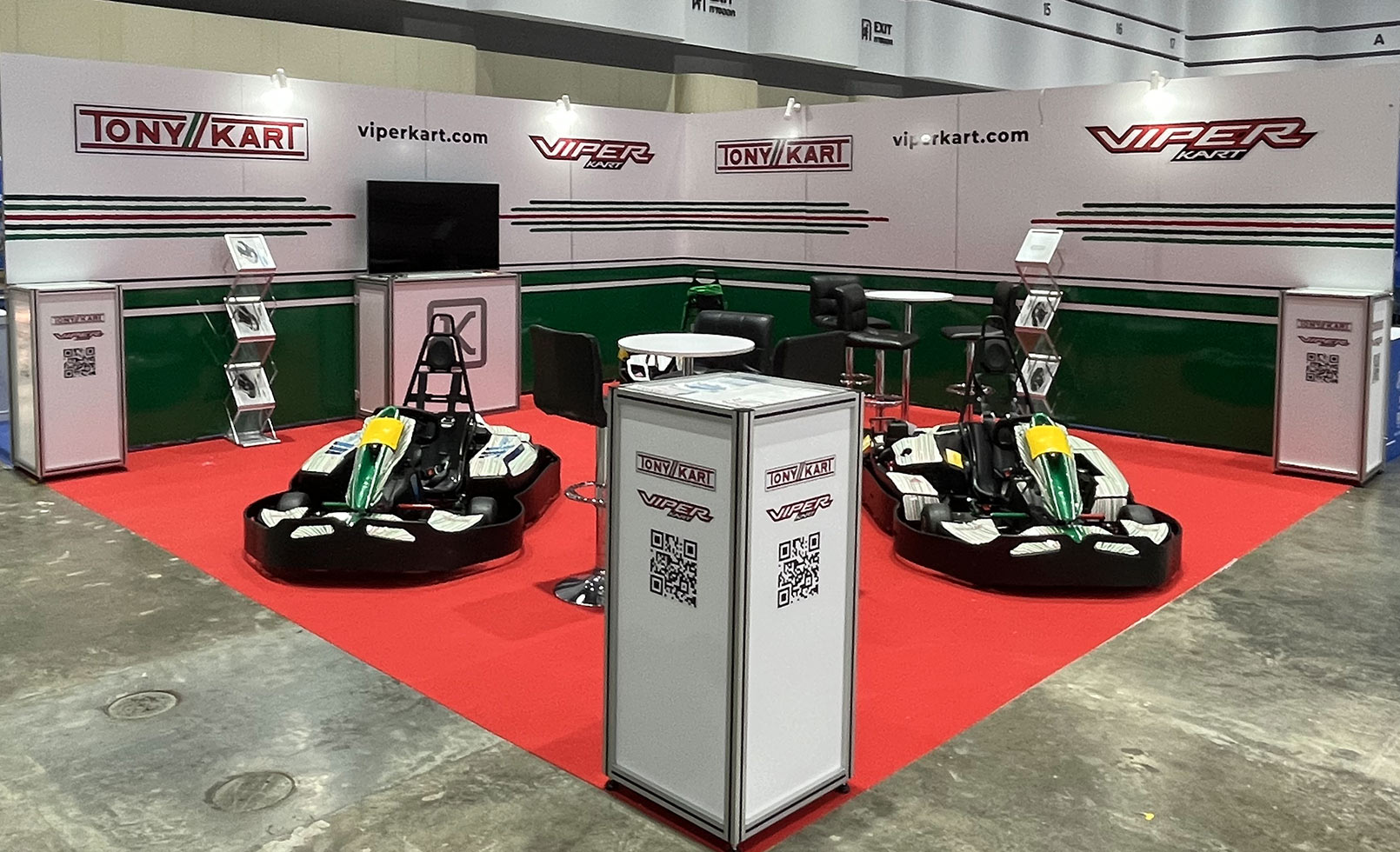
After attending IAAPA Expo Europe '23 and IAAPA Expo '23 events, Viper Kart lands at IAAPA Expo Asia. The exh...
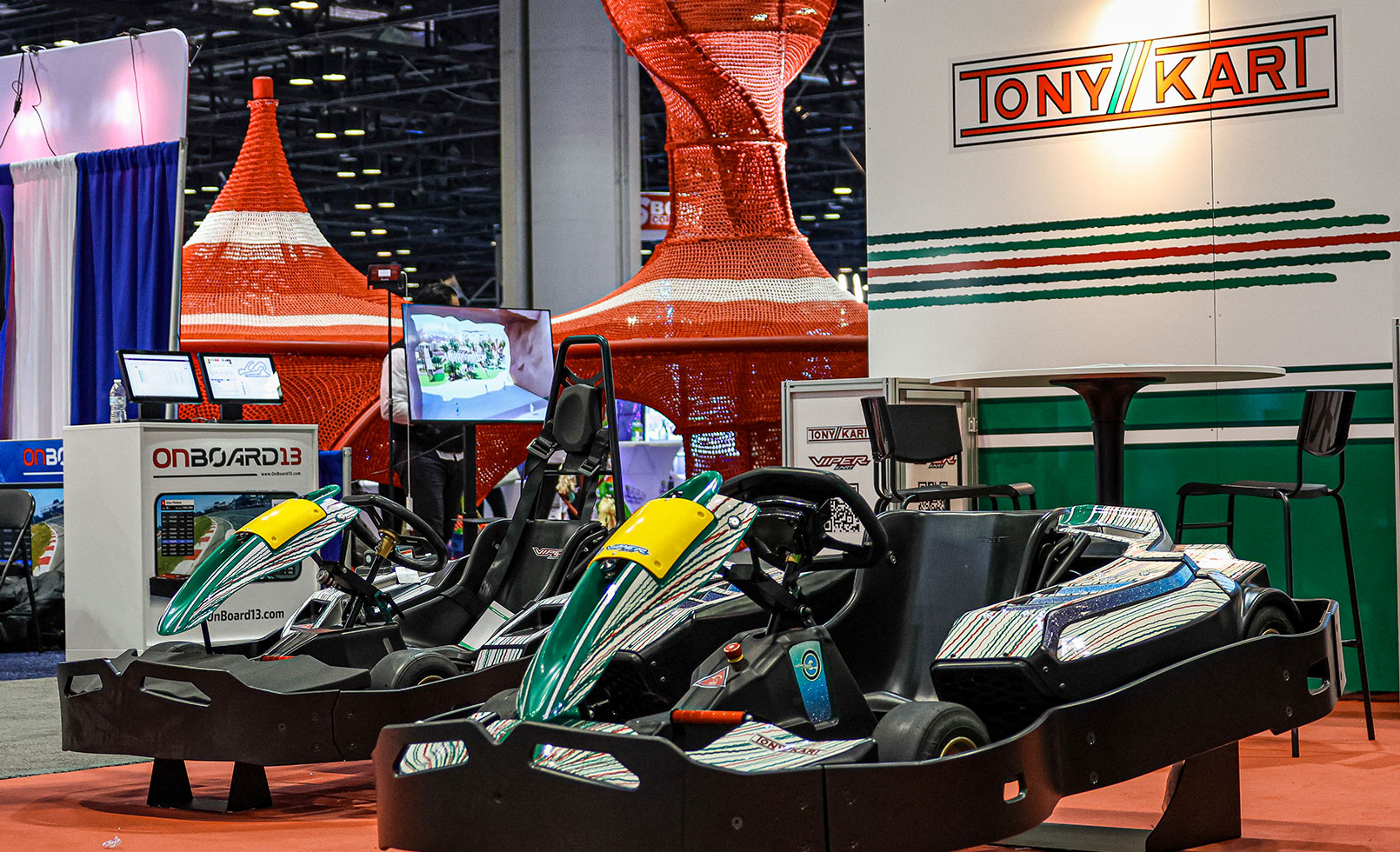
The OTK Kart Group participated in the IAAPA Expo, the premier event for the entertainment industry in the USA, which...
In a rental karting business, the fleet of vehicles represents the main asset allowing business growth and customer l...
To pay back the purchase and maintenance costs of your rental karts for as long as possible, in addition to choosing ...
The Italian group - with over 35 years of experience in karting, 4 offices located in 3 continents and commercially a...